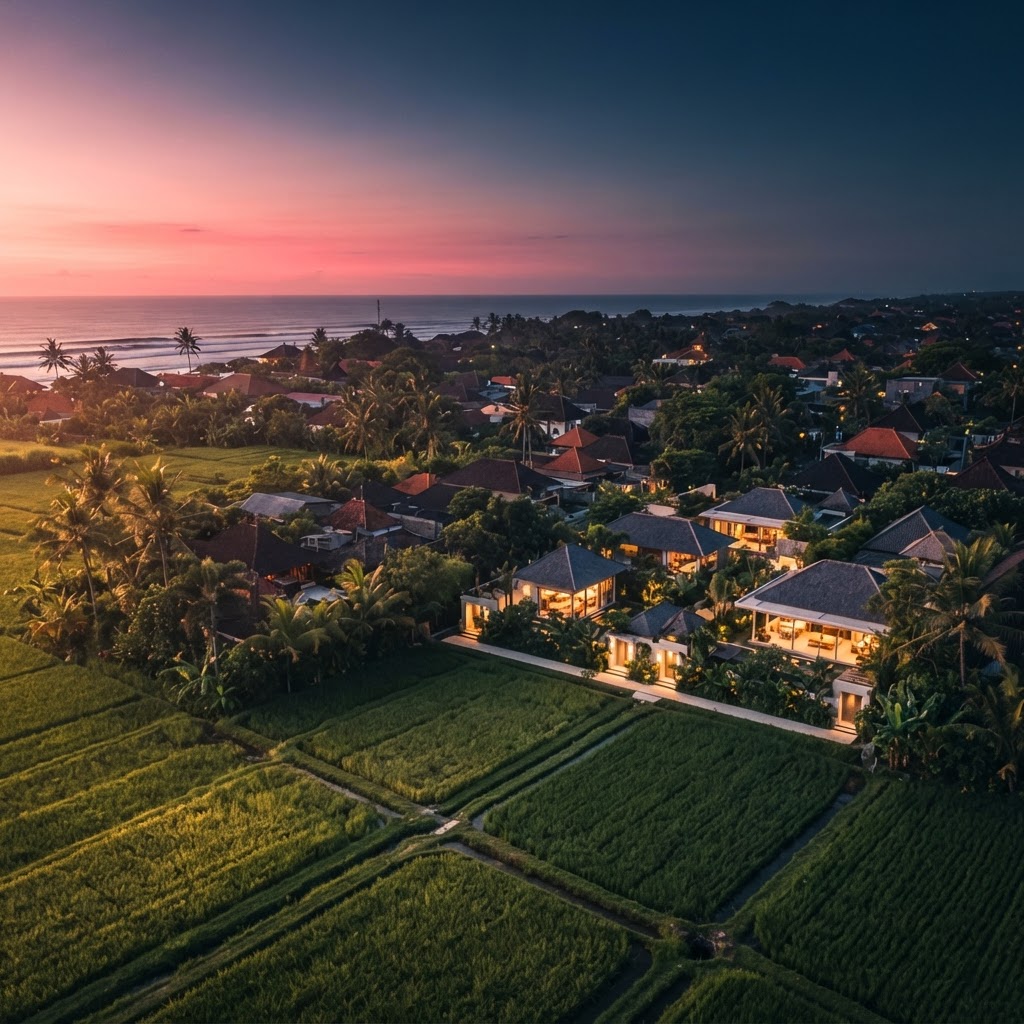
Building a startup from Bali sounds like a fantasy someone sold you on Instagram. Here is the thing: it works. We know because we do it every day. EX EPIC runs real ventures and an academy from Canggu, with builders from 26 nations shipping on live projects. This playbook is what we would tell a friend who asked us over coffee: the honest tradeoffs first, then the setup, then the runway math. No infinity pool shots. Just what it takes.
First, the honest question: is Bali actually right for your startup?
Most guides skip this part because it hurts their pitch. We will not.
What Bali is (and is not) as an ecosystem
Indonesia's real tech ecosystem is Jakarta. As Unicorn Embassy's 2026 analysis lays out, Jakarta has 1,283 startups and pulled $524M in startup funding in 2025, ranking #30 globally. Bali is something different: a dense, international builder hub where the checks are pre-seed and seed, the verticals are climate-tech, applied AI, wellness and global SaaS, and the founders are mostly building for customers outside Indonesia.
Unicorn Embassy calls this the nomad-town vs ecosystem distinction, and it is the single most useful frame you will read before booking a flight. Bali is world class as an operating environment. It is structurally limited as a place to find local enterprise customers, late-stage capital, or 50 engineers.
Who wins here, and who should go to Jakarta or Singapore instead
You win in Bali if you are building a globally distributed product and want a low-burn, high-energy base. You lose if you need Indonesian enterprise customers, a local-led Series A, or deep technical hiring at scale. The founders who make it work run a hybrid: live in Bali, fly to Jakarta for business development, fly to Singapore for investors. If your customers are global and your team is remote, the math favors Bali. If not, be honest with yourself now, not twelve months in.
The runway math: what Bali actually buys you
Runway is the one resource you cannot raise more of easily. Bali is a runway machine.
Cost of living vs other hubs
According to the Bali Startup & Tech Community's 2026 ecosystem guide, a founder in Bali lives well on $2,000 to $3,000 per month. The same lifestyle costs $6,000 to $8,000 in Austin, $8,000 to $10,000 in Lisbon, and $10,000 plus in Dubai. Same founder, same laptop, same product. Two to four times the runway.
We wrote a full breakdown of the real 2026 cost numbers for founders in Bali if you want line items instead of bands.
The time zone and talent bonus
Bali sits on UTC+8, which the BSTC guide rightly calls one of the best time zones in the world for a distributed team: European mornings and US west coast evenings are both reachable in one working day. Fibre internet at 100+ Mbps is now standard in Canggu, Ubud and Sanur, and mature coworking spaces like Outpost and Dojo offer meeting rooms, podcast studios and event spaces. The infrastructure excuse died a few years ago.
The setup playbook: visa, money, workspace
Here is the practical part, with numbers you can budget against.
Visas in 2026: know the options, verify the current rules
Per Silicon Bali's practical guide, the B211A social/business visa remains the common starter: around $250 to $350 all in, 60 days with extensions up to 6 months. For remote workers, Unicorn Embassy details the E33G Remote Worker Visa: up to one year, but it requires $60K minimum annual income from a company based outside Indonesia and $2,000 sitting in your bank for the prior three months. There is also the Second Home Visa for the long haul: up to ten years, against a $130K deposit or a property purchase.
One rule above all: do not work long-term on a tourist visa, and verify the current requirements before you apply. Indonesian visa policy moves fast, and every guide (including this one) ages.
Banking without a KITAS
Local bank accounts require a KITAS stay permit, so most founders run international rails instead: Wise for multi-currency, Revolut as a card, GoPay and OVO for daily local payments. Silicon Bali's advice matches what our team actually does. Keep a backup card from a second bank.
Where to work: coworking vs villa office
Two real options. A coworking hot desk runs $150 to $300 per month and buys you fast internet, AC and community. A one-bedroom villa with a workspace and pool runs $800 to $1,500 per month if you prefer deep work at home. Cafes are for a change of scenery, not for your standup.
Do not incorporate in Indonesia on day one
This is where new founders burn money. Setting up a local PT PMA (foreign-owned company) means declaring an IDR 10 billion investment plan, roughly $660,000 to $700,000, with about IDR 2.5 billion actually paid up, through a 6 to 10 week OSS-RBA licensing process, per Archipelago Desk's 2026 setup guide. That structure exists for businesses earning Indonesian revenue and hiring locally. It is not for your pre-revenue SaaS.
Most global founders in Bali do what Silicon Bali describes: incorporate abroad with a US LLC (Delaware or Wyoming), a Singapore PTE LTD for Asian markets, or Estonia e-Residency for EU-focused products, and keep the structure simple. Go local only when local revenue or local hiring forces the question.
Plug into the ecosystem, do not orbit it
The founders who fail in Bali usually fail the same way: they arrive, rent a villa, work alone, and leave six months later having met nobody.
Community density is the real asset
The BSTC community counts 2,500+ members, and in Canggu you will see the same 50 to 100 serious builders at every event, coworking space and coffee shop. Relationships compound absurdly fast at that density. Singapore VCs scout Bali deal flow in person because it is a 4 hour flight away. If you show up consistently for a month, you are inside the network. That speed does not exist in London or New York.
We wrote more about who is actually here in our guide to inside Bali's tech and startup scene.
The transient-community trap
Now the honest counterweight, again from Unicorn Embassy: the community is intensely transient. People you bond with in March are in Lisbon or Mexico City by June. Plan your relationships as quarterly cohorts, not a permanent local network, and anchor yourself to the builders and operators who actually stay.
The shortcut: build inside a venture ecosystem instead of alone
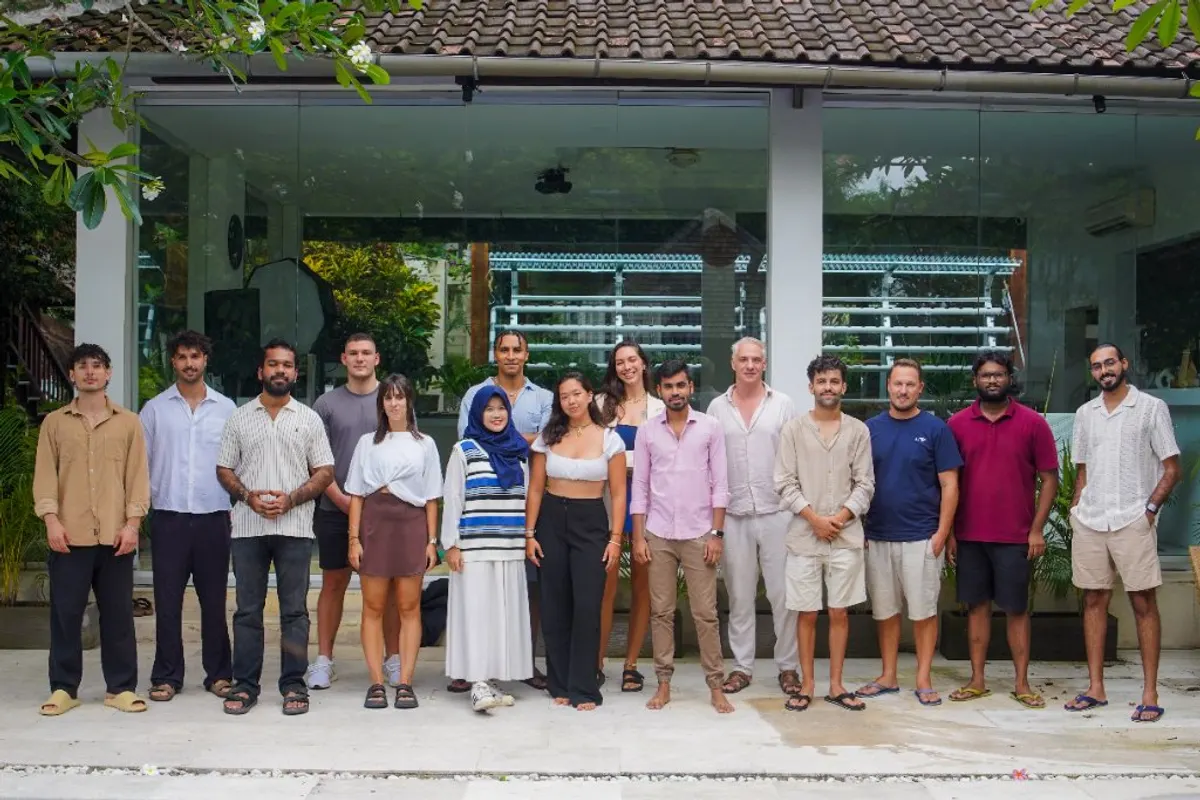 Not a stock photo: the cohort in Canggu, where the ventures in this article actually run.
Here is the part we can say that nobody else on this topic can: you do not have to arrive solo.
EX EPIC operates from Canggu with builders from 26 nations working on 15 live projects across AI, fintech, media and clean technology. No case studies, no simulations: real ventures, real stakes, as founder Julien Uhlig puts it, "you ship or you don't." For builders who want Bali but do not have a startup yet, our 4 to 6 month immersive roles put you inside operating ventures with mentors, teammates and deadlines from day one.
That is the same talent arbitrage logic that brings founders here, applied one step earlier: get the runway, the density and the network of Bali, without paying the loneliness tax of starting from zero. Whether you do it with us or by joining any working team on the island, entering through an existing ecosystem beats orbiting one.
A realistic first 90 days
- Weeks 1 to 2: scout. Arrive on a simple visa, base yourself in Canggu, work from two or three coworking spaces, and say yes to every event.
- Weeks 3 to 4: decide and set up. Pick your visa path (and verify the current rules), set up Wise and a local payment app, choose coworking or a villa office.
- Month 2: build in public. Ship weekly, show up to the same communities repeatedly, and let the 50 to 100 regulars learn your name and your product.
- Month 3: lock the structure. Incorporate abroad if you have not already, set your Jakarta and Singapore travel rhythm if your market needs it, and review the runway math against your actual spend.
By day 90 you either have momentum, a network and a shipping product, or you have learned cheaply that Bali is not your base. Both outcomes beat guessing from home.
FAQ
Can foreigners legally run a startup from Bali?
Yes. Most global founders live in Bali on an appropriate visa while their company is incorporated abroad (US LLC, Singapore PTE LTD, or Estonia e-Residency). A local PT PMA is only worth it when you need Indonesian revenue or local employees.
How much does it cost to build a startup from Bali?
Founders live well on $2,000 to $3,000 per month, versus $6,000 to $8,000 in Austin or $8,000 to $10,000 in Lisbon. Budget $150 to $300 for a coworking desk or $800 to $1,500 for a villa with a workspace.
What visa do I need to build a startup from Bali?
Common 2026 options are the B211A business visa (around $250 to $350, extendable to 6 months) and the E33G Remote Worker Visa (up to a year, $60K minimum income requirement). Rules change often, so verify current requirements before applying.
Is Bali a real startup ecosystem?
It is a real venture niche: strong in climate-tech, applied AI and global SaaS, with seed-stage capital and a dense builder community. It is not a full ecosystem like Jakarta, so winners build globally distributed products from Bali rather than selling to local enterprises.
What if I want to build from Bali but do not have a startup yet?
Join a working ecosystem instead of arriving solo. Immersive roles inside real ventures, like EX EPIC's 4 to 6 month programs in Canggu, give you the Bali base plus a team, mentors and shipped work for your portfolio.